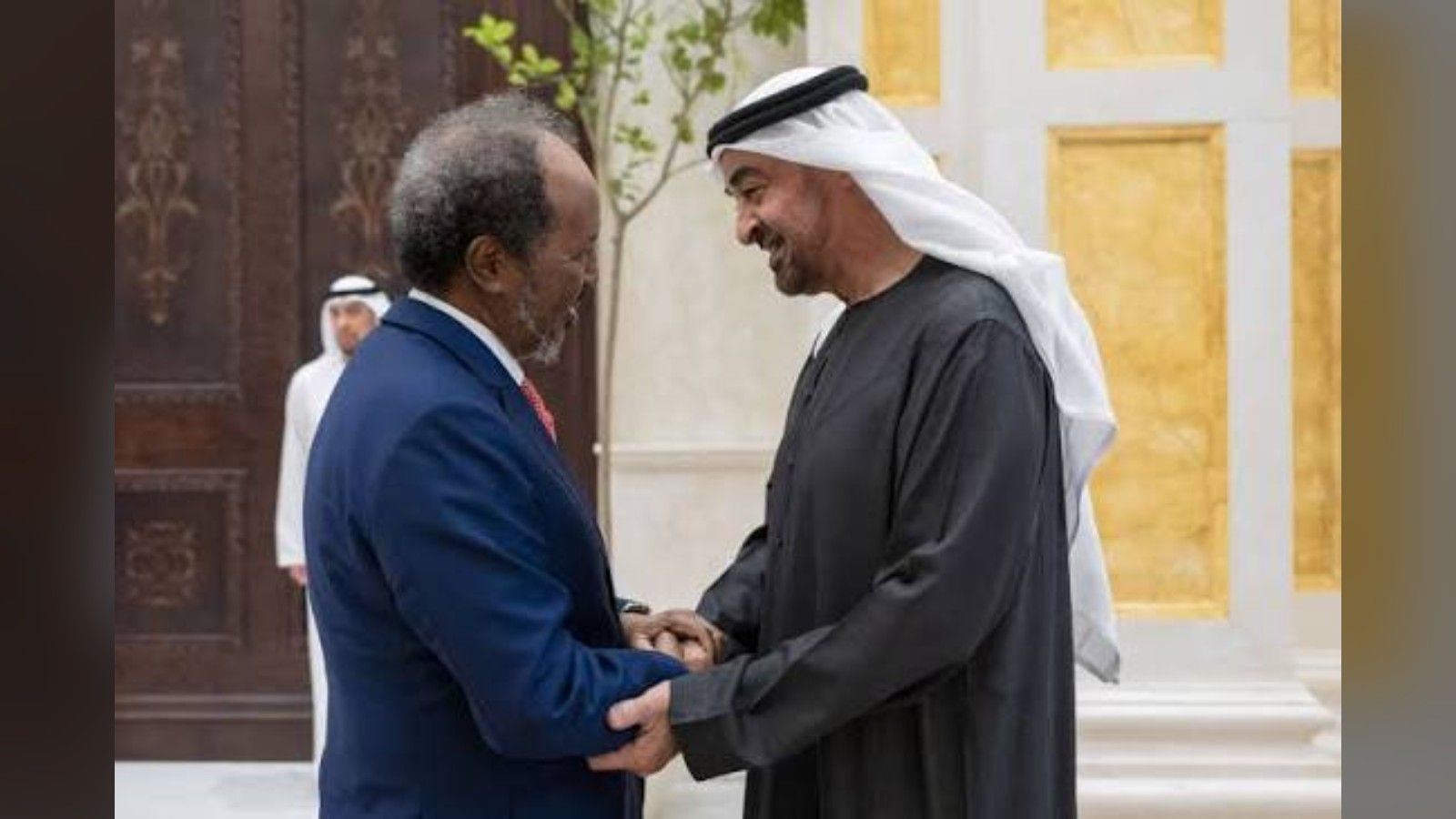
Photo: Press Service of the President of the Republic of Azerbaijan / Wikimedia Commons (CC BY 4.0)
Somalia is standing at the edge of collapse. In his latest speech, the outgoing president said the greatest danger facing the country comes from outside. I disagree. In my view, the greatest threat to Somali statehood today is how the country has been led over the past four years, and by whom.
When he took office, Somalia was in one piece. Its institutions were weak, but they were held together by a broad political settlement. That is no longer the case today, and the person most responsible for that change is the man who held the highest office.
A Trust Broken
As I see it, during his four years in office, he violated the law he swore to uphold. He unilaterally altered the constitution that had been agreed upon. In a fragile country like ours, a constitution is not a document that one leader can rewrite on his own. It is the agreement that binds together the clans, regions, and political forces under a single government. When it is changed unilaterally, the very thing that gave the state its legitimacy is removed.
I would also argue that public assets were sold off in ways that did not comply with the law. Somalis were displaced and their homes demolished, while the land was bought up by businessmen and then carved up and sold on. Those who had little were left with even less, while those close to power profited.
A leader who respects the office he holds steps down when his term ends.
In my view, favoritism, corruption, and nepotism have reached the highest level this country has seen. Public offices were treated as things to be handed out to friends, not as a trust held on behalf of the people.
Refusing to Step Down
His term has ended, yet he has refused to step aside. He now holds on to the country by force. Clinging to office by force turns a government into a faction, and a faction cannot unite a nation.
The Somalia he claims to be president of has, in practice, shrunk to Mogadishu alone. A president whose authority reaches only the capital, and who has lost the confidence of most of the country, is not a national leader in any real sense. That is the result of his own policies, not of an enemy from abroad.
The Danger Ahead
The risk that Al-Shabaab could take over the country is real. This is not a complicated reading of the situation. A divided country, a government without legitimacy, and a leader who has set himself against the political forces that ought to be standing behind the state are exactly the conditions an armed group needs. Every dispute over power that goes unresolved gives that group more room.
It is convenient to talk about foreign threats, since it shifts the blame elsewhere. But a country is not normally lost to an outsider while it is united and governed by consent. It is lost by its own leaders when they tear up the agreements that hold it together.
The way out is not hard to understand, even if it is hard to carry out. The president must put the country ahead of himself and step down. He must allow a handover of power reached through negotiation, one that Somalis across the spectrum can accept. Every day he delays makes that harder and strengthens those who want to see the Somali state fall.
This is the view of the Ladnaan Media editor.