Sawir: Ladnaan Media archive
DOHA/WASHINGTON — Qatar, Egypt, and Turkey are pressing Hamas to accept US President Donald Trump’s proposed Gaza ceasefire and hostage-release deal, according to a report by Axios on Tuesday. However, conflicting signals suggest Hamas leaders inside Gaza are leaning toward rejecting the plan, calling it unfair and biased toward Israel.
Qatari Prime Minister Mohammed bin Abdulrahman al-Thani and Egyptian intelligence chief Hassan Rashad met with Hamas officials in Doha on Monday, with Turkish intelligence chief Ibrahim Kalin joining discussions on Tuesday, sources familiar with the talks told Axios.
During Monday’s meeting, al-Thani reportedly told Hamas leaders that no better deal could be secured, assuring them Trump was personally committed to ending the war and that his guarantee should be sufficient. Hamas officials responded that they would study the proposal “in good faith,” echoing Qatar’s public statement that the group had pledged to examine the offer responsibly.
The proposal has garnered broad international backing, winning support from the US, Israel, Western and Arab nations, the Palestinian Authority, Russia, and even the Vatican. However, some US activist groups critical of Israel have rejected it.
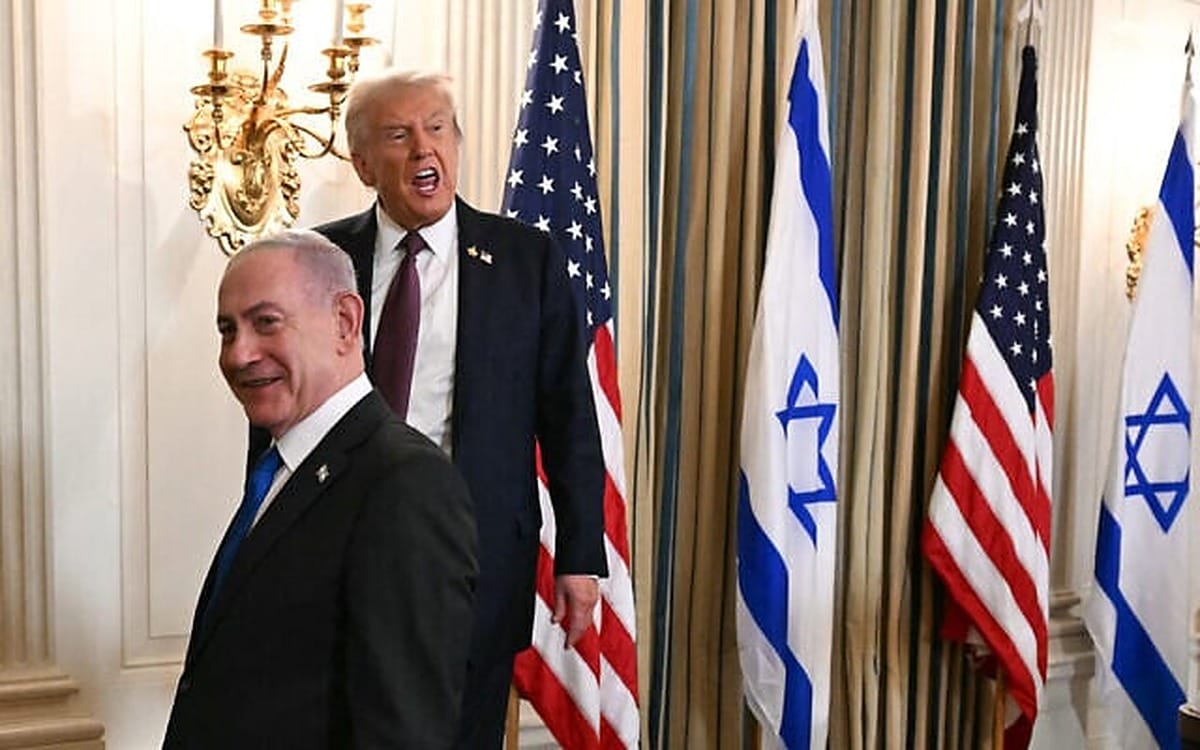
Unveiling the plan alongside Israeli Prime Minister Benjamin Netanyahu at the White House on Monday, Trump said Hamas had “three or four days” to respond, warning that if it refused, the group would “pay in hell.”
Deal Terms
Under the proposal, Hamas would release the remaining 48 hostages within 72 hours. In exchange, Israel would free 250 Palestinian prisoners serving life sentences, 1,700 detainees from Gaza (including all women and children held since the October 7, 2023 Hamas assault), and hand over 15 Palestinian bodies for each body of an Israeli hostage returned.
The deal also lays out a three-phase Israeli withdrawal from Gaza, the disarmament and demilitarization of Hamas, the unimpeded flow of humanitarian aid, and the transfer of Gaza to an international transitional government excluding both Hamas and the Palestinian Authority.
Hamas, however, has repeatedly refused to disarm without recognition of Palestinian statehood and the end of what it considers “occupation.” It rejects the International Stabilization Force envisioned under the plan, calling it a “new form of occupation.”
Internal Hamas Divisions
Reports suggest Hamas leaders inside Gaza, particularly military chief Izz al-Din Haddad, are more determined to continue fighting than political leaders abroad. According to the BBC, the requirement to release all hostages within 72 hours remains a major sticking point, as Hamas sees them as its only bargaining chip.
A Hamas official told the BBC the plan “serves Israel’s interests” while “ignoring the Palestinian people,” making rejection highly likely. Meanwhile, exiled leaders outside Gaza have reportedly been sidelined, given their lack of control over the hostages.