Photo: Ladnaan Media
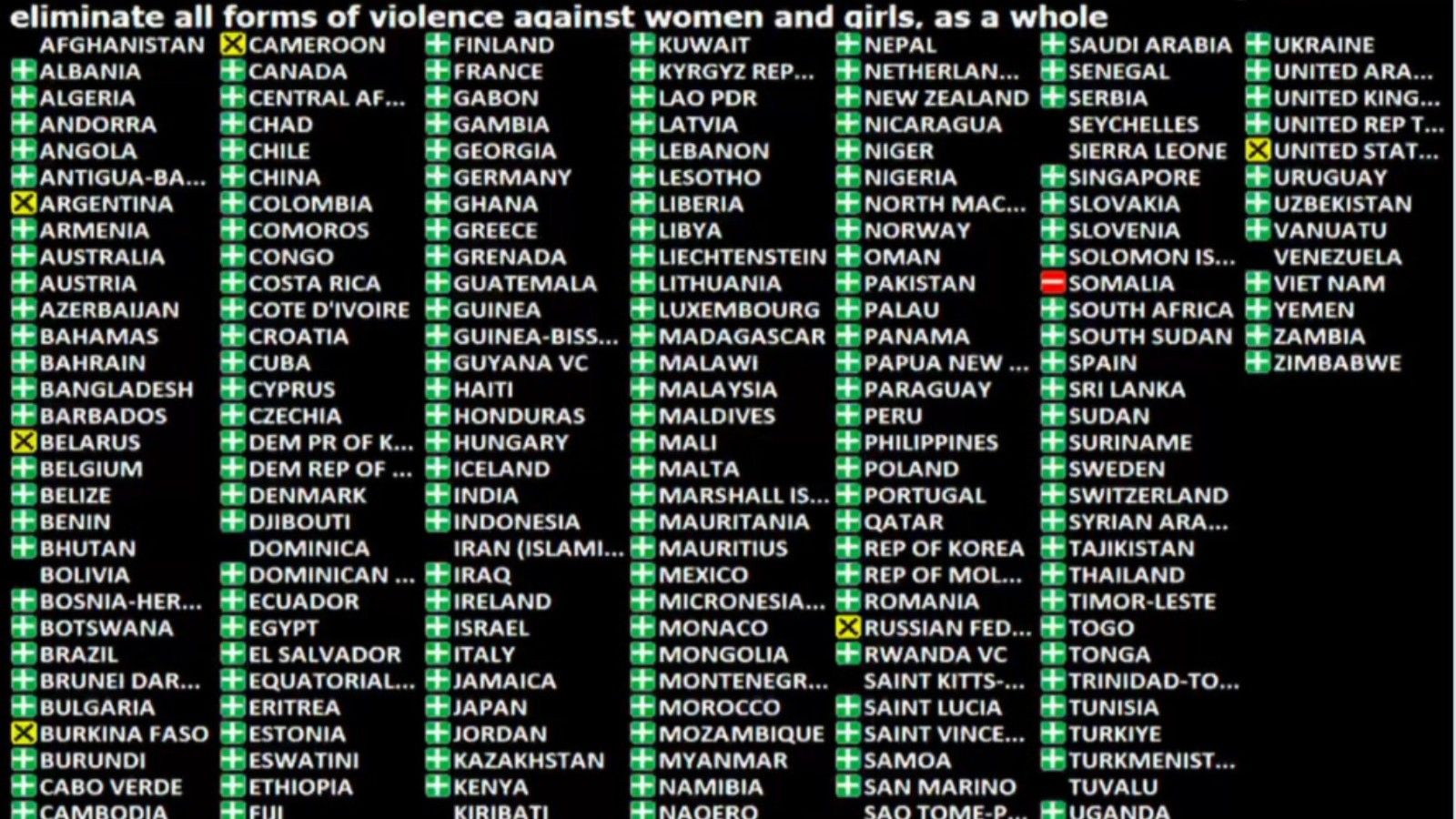
Somalia voted against a United Nations resolution on violence against women, while the United States and Russia chose to abstain, according to the information available to Ladnaan Media.
The vote puts Somalia on the record against a measure on one of the most sensitive issues in the country's public life. It also places two permanent members of the Security Council among those who declined to back the text.
What is confirmed so far
The confirmed facts are limited. Somalia cast a vote against the resolution. The United States and Russia abstained. At this stage, we cannot responsibly say more about the resolution's wording, the UN body where the vote took place, the final tally, or the reasons any government gave for its position. Ladnaan Media will add these details as they are verified.
Opinion: a "no" vote needs an explanation
A vote against a resolution on violence against women cannot be left unexplained. Voting against a specific text is not the same as supporting violence, and governments sometimes object to particular wording, procedure or commitments. But when a country says "no" on a subject this serious, and gives no reasons, the public will draw its own conclusions.
Somali women and girls, women's organisations, and ordinary families have a direct stake in this question. They deserve to know whether the government's objection was to a clause, to the process, or to something deeper. They also deserve to know who made the decision and on what advice.
The abstentions by Washington and Moscow do not change this. Each government answers for its own vote and its own reasons. Pointing to the choices of larger powers is not an answer to Somali citizens.
The responsible step now is for Somalia's government and its UN delegation to publish the reasoning behind the vote in plain language. If the objection was narrow and technical, saying so would remove doubt. If it was broader, the public should hear that openly and debate it.
Silence would only deepen suspicion. A clear statement would let Somalis judge the decision on its merits.