Photo: Ladnaan Media archive
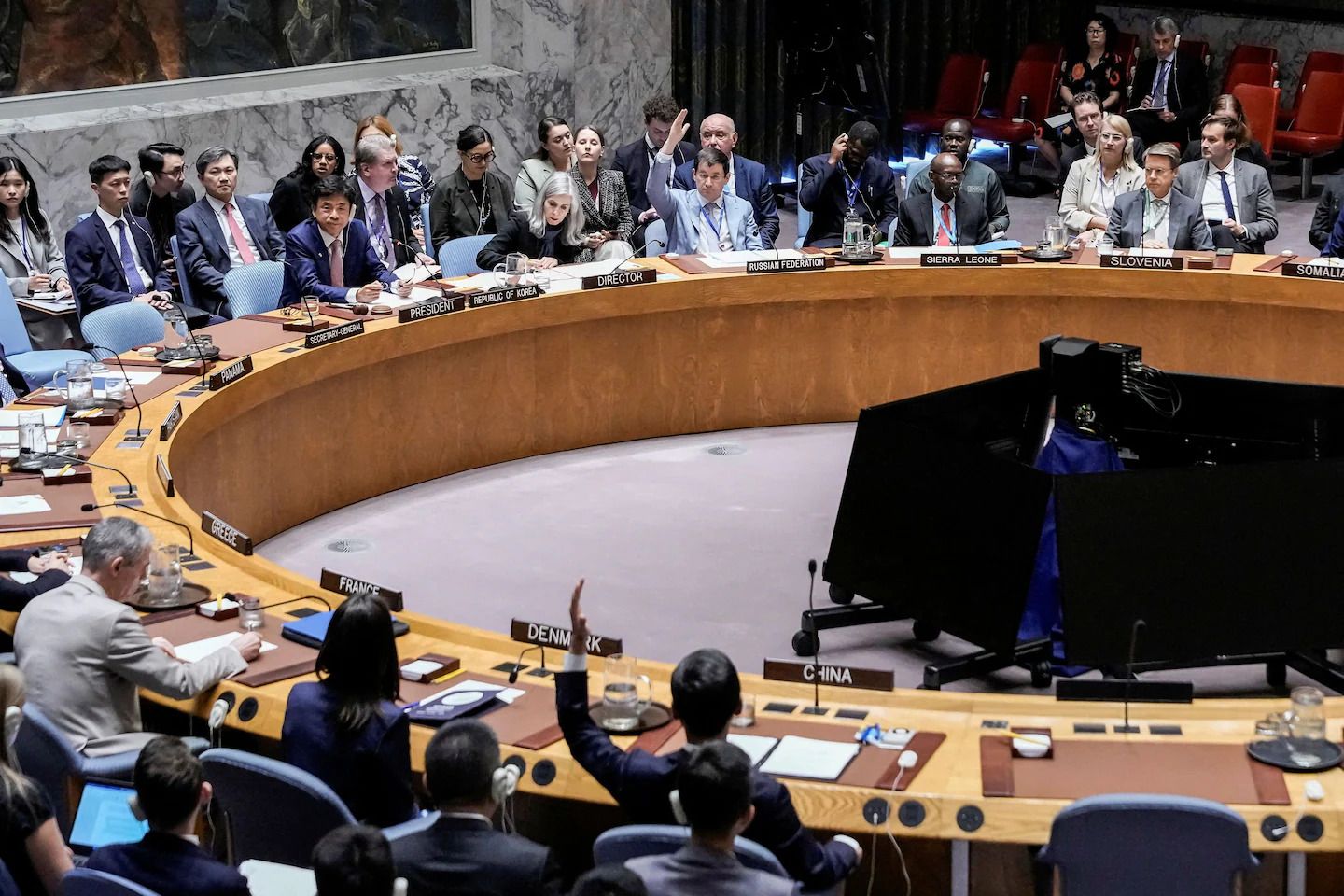
The U.N. Security Council on Monday overwhelmingly approved a U.S.-drafted resolution endorsing President Donald Trump’s Gaza peace framework — a major diplomatic win for Washington as it pushes to turn Trump’s proposal into an actionable international plan.
The resolution gives legal authority to central elements of the initiative, including the creation of an International Security Force that would assume control of the parts of Gaza where Israeli troops have pulled back. The U.S. ambassador to the U.N., Michael Waltz, thanked member states for “helping chart a new course” for the region and said the outcome reflected “broad support for the president’s vision.”
Leading up to the vote, several countries sought more clarity about Trump’s proposal, first unveiled in late September — especially regarding the Palestinian Authority’s early involvement in reconstruction and the longer-term path toward establishing a Palestinian state. Ultimately, 13 members voted in favor. Russia and China abstained.
Countries that supported the measure said they were still looking for stronger guarantees on statehood and governance, and would be monitoring how the plan unfolds. Hamas rejected the resolution, arguing that it fails to meet Palestinian political or humanitarian needs and accusing it of advancing Israeli goals. The group insisted that any disarmament must be tied to the end of Israeli occupation and handled internally by Palestinians.
Israel’s ambassador attended the session but did not speak. Prime Minister Benjamin Netanyahu, who has repeatedly opposed a Palestinian state, has nevertheless welcomed the resolution’s passage. His office urged regional governments to normalize relations with Israel and support efforts to remove Hamas from power.
Arab states, represented by Algeria, thanked U.S. negotiators and Trump personally for helping secure a ceasefire but stressed that lasting peace requires long-promised justice for Palestinians and the creation of an independent Palestinian state. Other diplomats echoed the sentiment, saying the resolution was imperfect but offered a workable step forward.
Although some initial components of Trump’s plan — including a ceasefire, limited hostage releases, and increased humanitarian aid — have begun, much of the broader agenda remained stalled until this vote.
The resolution formally lays out the plan in international law. It creates a “Board of Peace,” led by Trump and composed of members he selects, which will oversee Gaza for two years, controlling security, reconstruction, and governance. A Palestinian technocratic committee would handle daily civilian administration under the board’s supervision.
The measure authorizes the creation of a temporary International Stabilization Force working alongside a newly trained Palestinian police unit. The force, coordinated with Egypt and Israel, would secure borders, disarm militant groups, and support humanitarian operations. Waltz announced that Indonesia and Azerbaijan have already agreed to participate, with more countries expected to join now that the U.N. has granted approval.
As stability improves, Israeli forces — currently controlling slightly over half of Gaza — will gradually withdraw, except for a defined security perimeter. Once the Palestinian Authority is restructured, it would assume governance in Gaza, opening the door to meaningful discussions on Palestinian self-determination and eventual statehood. The U.S. plans to facilitate new negotiations between Israel and the Palestinians on long-term coexistence.
In the days before the vote, Washington applied pressure to prevent alternative proposals, warning that competing plans would harm Palestinians by undermining progress. Waltz argued in an opinion piece that supporting the Board of Peace is the only realistic path to a secure, self-governed Gaza.
Inside Israel’s government, the resolution spurred significant dissent. Several ministers strongly opposed any reference to Palestinian statehood. Defense Minister Israel Katz reiterated that Israel would never accept a Palestinian state “in any form,” arguing instead for encouraging voluntary Palestinian emigration. National Security Minister Itamar Ben Gvir demanded that Netanyahu reject the resolution outright, dismantle the Palestinian Authority, and arrest its president, Mahmoud Abbas, if statehood were ever advanced.
Netanyahu, opening a cabinet meeting, reaffirmed his longstanding opposition, saying he did not require “tweets or commentary” to make Israel’s position clear.