Photo: Ladnaan Media
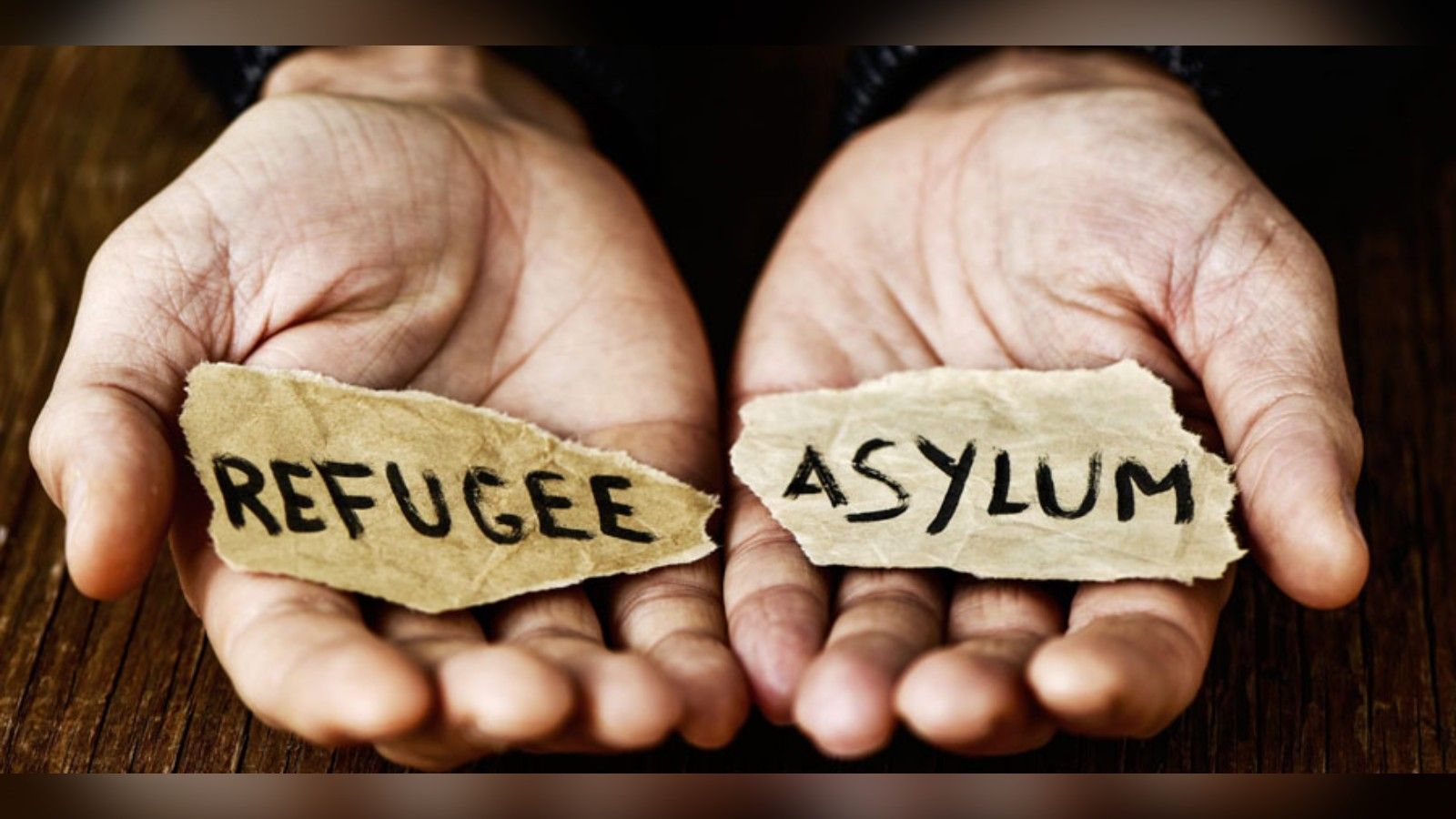
Five European Union governments are expected to announce the creation of a migrant deportation centre in Rwanda, according to diplomatic sources. If it goes ahead, the plan would be one of the most concrete steps yet in a wider European push to increase deportations and reduce irregular migration.
The five countries are Germany, Denmark, Austria, Greece and the Netherlands. In September they said they were working towards an agreement with a country outside the EU that would host what they call "return hubs". Rwanda, a landlocked country in Africa, now appears to be the place they have in mind. No formal announcement had been made at the time of writing.
What is known, and what is not
The confirmed facts are limited. Five governments have said publicly that they want a return-hub arrangement with a non-EU country. Diplomatic sources say Rwanda is the expected location and that an announcement is coming.
Much else is not yet public. It is not clear how many people the centre would hold, which migrants would be sent there, how long they would stay, who would pay for it, or what Rwanda would receive in return. It is also not clear what legal safeguards would apply. Until the governments involved or Rwanda's authorities speak, those questions remain open, and readers should treat any detail beyond the basics with caution.
Why it matters
The idea behind a return hub is simple on paper. People who have no right to stay in a European country would be moved to a centre elsewhere while their removal is arranged, instead of remaining in Europe. Governments that favour the approach argue that it could make deportations faster and discourage irregular journeys.
Critics of schemes like this usually raise a different set of concerns, and they deserve a hearing here too. Sending people to a country with which they have no connection raises hard questions about their rights, their access to a fair hearing and their treatment while they wait. A policy can be popular with voters and still be difficult to carry out humanely and lawfully.
A deal that makes an African government a direct partner in European border policy should be explained in public, not settled behind closed doors.
This is our analysis, not a reported fact. The choice of an African country to host the centre is itself notable. For years the migration debate has been framed in European capitals, with African states often treated as places of origin or transit. An arrangement like this would give an African government a direct role in European border policy. The terms of that partnership, including what each side gains and what duties each side accepts, should be made public so that citizens in Europe and in Africa can judge them.
A question for Somali readers
Many Somali families have relatives who have made dangerous journeys in search of safety or work abroad, or who live in Europe today. Nothing in what we know so far says Somali nationals would be affected by this particular centre, and we are not suggesting that they would. But any arrangement that changes how Europe treats people who are refused residence will be followed closely in Somalia and across the Horn of Africa.
What to watch
When the announcement comes, several points will matter. Will the text of the agreement be published? How will Rwanda's government describe its own commitments? What protections will exist for people who say they face danger if they are sent back? And will other EU states join the five that have led the effort?
Ladnaan Media will report on the plan as official details are confirmed.